Plastic Bags
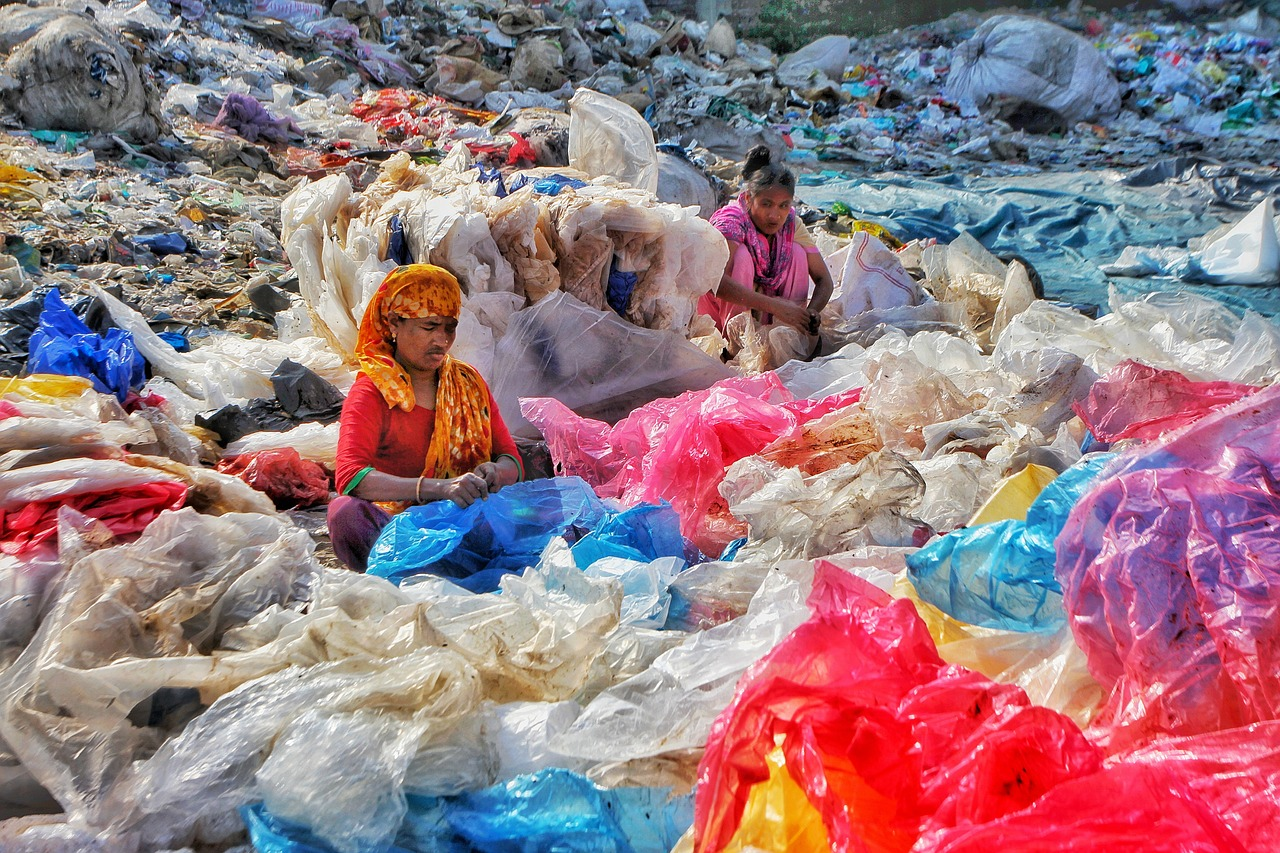
Lightweight yet harmful, plastic bags can take around 50 years to decompose, causing significant harm to marine and terrestrial wildlife in the process.
It all started with a simple question — how can we make a difference? From a small room with just a whiteboard and endless cups of coffee, we dreamed of building something that truly matters.
Over time, we turned that dream into action. Late nights became milestones. Obstacles became stepping stones. And today, we stand here — driven by the same passion that sparked our first conversation.
This isn’t just our story. It’s yours too. Every client, every supporter, every believer — you’ve been a part of shaping what we are today. Together, we’re just getting started.
Here’s the alarming reality of plastic use around the world
Plastic items consumed
Kg of plastic waste produced
Animals affected by plastic pollution
Discover why eco-friendly packaging is the future for businesses and the planet.
| Feature | Plastic Packaging | Sustainable Packaging |
|---|---|---|
| Material | Made from petroleum-based, non-renewable materials | Made from renewable, compostable, or recyclable materials |
| Environmental Impact | Causes pollution, takes hundreds of years to decompose | Reduces pollution, decomposes naturally within months or years |
| Compostability | Not recyclable, only decomposes under composting conditions | Breaks down into natural elements, leaving no harmful residue |
| Cost | Cheaper upfront but costly for environment | Slightly higher upfront but eco-friendly and brand-positive |
| Consumer Appeal | Losing popularity due to environmental concerns | Preferred by eco-conscious consumers and businesses |
Choosing sustainable packaging over traditional plastic helps reduce waste, protect natural resources, and meet the growing demand for eco-friendly solutions.
Plastic waste can persist in our environment for decades or even centuries. This interactive timeline reveals how long everyday plastic products remain before they finally break down, highlighting the urgent need for sustainable alternatives.
Lightweight yet harmful, plastic bags can take around 50 years to decompose, causing significant harm to marine and terrestrial wildlife in the process.
Often found in oceans and beaches, plastic straws take 200 years to degrade, posing a choking hazard to sea creatures.
Highly durable yet environmentally devastating, plastic bottles can last over 450 years before breaking down into microplastics.
These heavy-duty plastics, including fishing nets and rigid containers, can take over 500 years to decompose, slowly leaching microplastics into our ecosystems.
| Test | Procedure | Observation |
|---|---|---|
| DCM Test | Dissolve 2×2 cm film or granules in Dichloromethane (DCM). | PLA & PBAT dissolve, PE & PP do not. |
| Boiled Xylene Test | Immerse 2×2 cm film or granules in boiled xylene. | PE & PP dissolve, PLA & PBAT do not. |
| Distilled Water Test | Immerse granules in distilled water at room temperature. | PLA & PBAT sink, PE & PP float. |
Source: Central Pollution Control Board (CPCB) – www.cpcb.nic.in
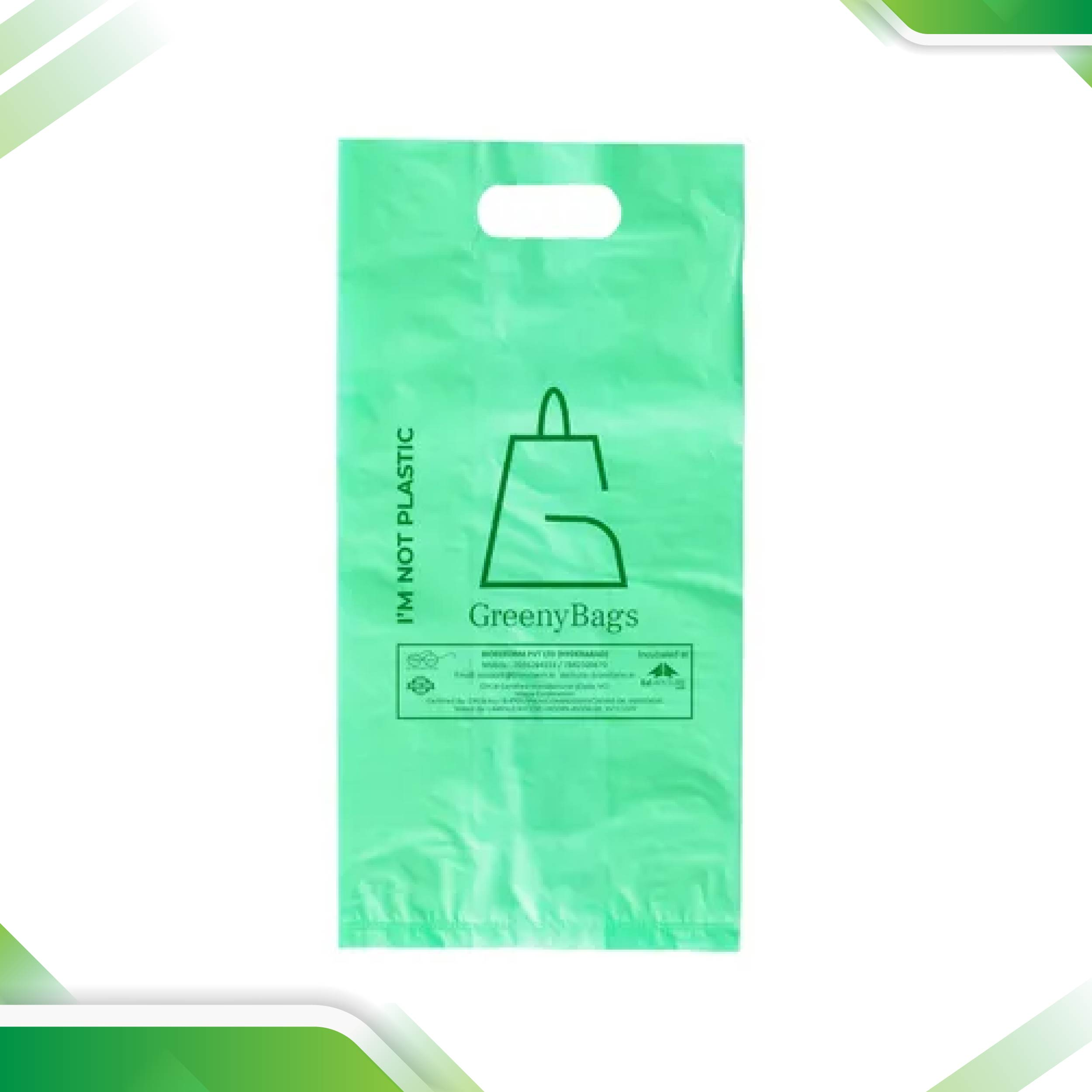
Our eco-friendly packaging bags are designed to protect the environment while maintaining durability and usability. Perfect for businesses and individuals who value sustainability without compromising quality.
"Sustainability isn’t a choice, it’s the promise we make to tomorrow."
- Green Future Vision
"Every small step towards sustainability is a giant leap for our planet."
- Eco Action Belief
"The Earth will remember the care we give, long after we are gone."
- Nature’s Gratitude